
Air conditioner leak water cleanup
Air Conditioner Leak Water Cleanup in Marietta, GA
Air conditioner leak water cleanup in Marietta, GA clears the puddles, wet carpet, and ceiling stains a leaking AC leaves behind. Smart Water Extraction Marietta removes the standing water, checks how far the moisture spread under flooring and into walls, and dries what the leak reached — so a clogged condensate line or overflowing drain pan does not turn into warped floors and mold. We handle AC water damage across Marietta and nearby Cobb County.
Service overview
What Is Air Conditioner Leak Water Cleanup?
Air conditioner leak water cleanup Marietta GA is a water-damage service that removes condensate from floors and building materials and dries affected areas after an air conditioner leaks. We start by finding the wet boundary, extracting pooled water, and checking carpet, baseboards, and nearby wall cavities. A moisture meter helps track readings as materials dry. We also look for the likely source, such as a clogged condensate line or a full drain pan, and share what we observe so you can arrange the right HVAC repair.
Marietta homes and businesses see AC condensate leaks during humid cooling weather, after long system run times, and when a drain line becomes obstructed. A small puddle can travel beneath flooring or appear as a ceiling water stain below an upstairs unit. Our crew handles Marietta air conditioner leak water cleanup with extraction and controlled drying; if you are searching for air conditioner leak water cleanup in Marietta GA near me, we can help limit damage while the equipment issue is addressed.
Practical benefits
Why AC Leak Water Cleanup Matters in Marietta
A condensate leak rarely stays neatly under the indoor unit. We focus on removing water promptly, checking concealed moisture, and explaining the next practical step. You get a clear cleanup plan based on the affected materials, not a guess based only on the visible puddle.
Remove standing water
We use a wet/dry vacuum or portable water extraction unit to pull water from hard floors and accessible carpet. Removing pooled water promptly reduces the time materials stay saturated and helps prevent it from spreading into adjacent rooms. We check the floor edges and nearby trim instead of stopping at the visible wet spot.
Find hidden moisture
Water can wick behind baseboards or beneath carpet padding before a stain becomes obvious. We use a moisture meter to compare affected areas with dry reference points and decide where drying equipment belongs. You receive a practical explanation of the readings and the locations that need follow-up checks.
Dry materials deliberately
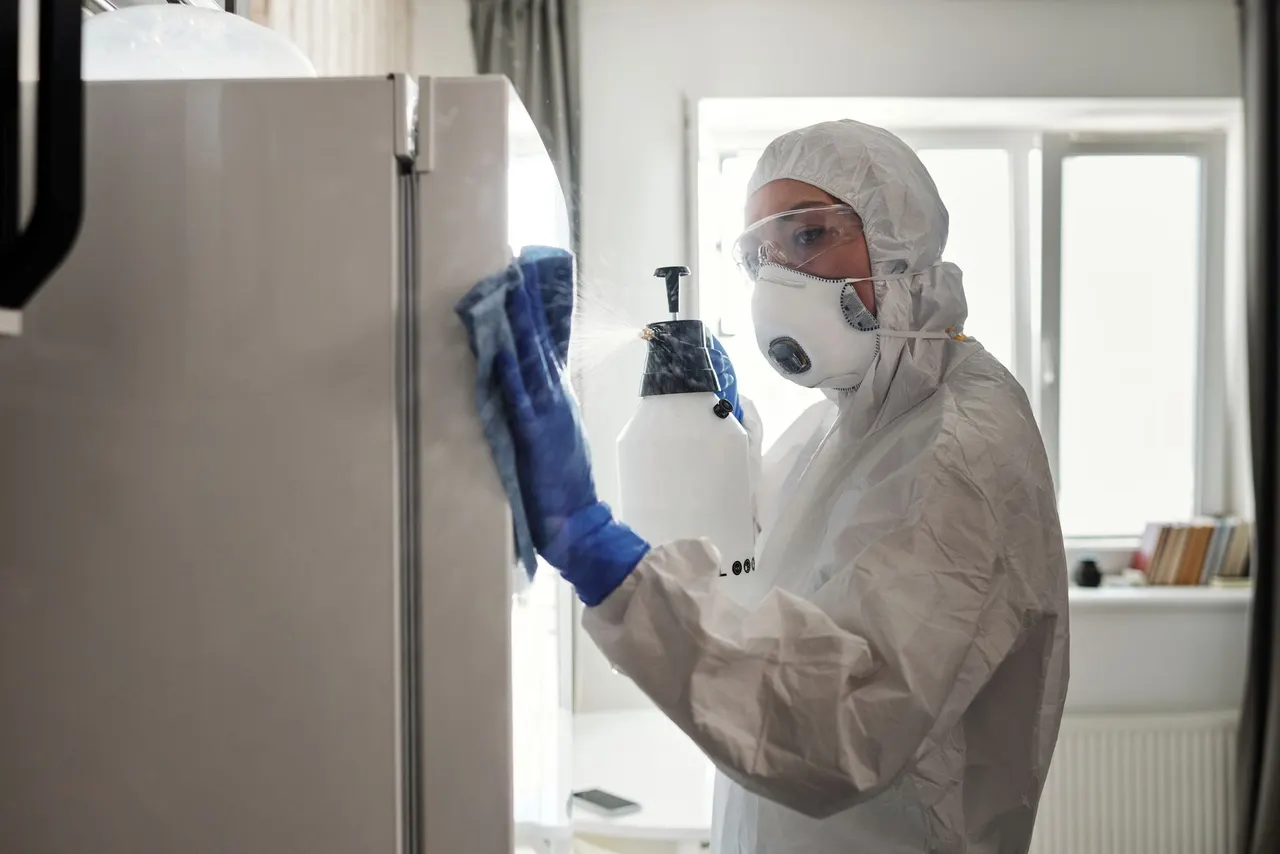
Air movers circulate air across damp surfaces, while a dehumidifier removes moisture from the room. Equipment placement depends on the flooring and the leak footprint; a small contained area does not need the same setup as a soaked room. We monitor progress rather than relying on a fixed timer.
Coordinate the next repair
Cleanup addresses the water and affected materials; an HVAC professional corrects the mechanical cause. We identify visible signs such as a backed-up condensate line or drain pan overflow and share them with you. Once the source is corrected, the room can finish drying without another discharge.
How service works
What Happens During AC Leak Water Cleanup?
Air conditioner leak water cleanup in Marietta follows a measured sequence: control the water, map the affected area, extract, dry, and verify. We explain each step as we work, protect the route through your home, and keep you informed about equipment and access.
STEP 01
Stop active water
If water is still dripping, we help you limit further spread by identifying the affected area and advising you to shut off the system if it is safe to do so. We do not replace an HVAC diagnosis, but we note visible condensate concerns for the repair professional. This first check usually takes 10 to 20 minutes.
Tools and methods
Equipment and Drying Methods for AC Water Damage
Truck-mounted water extractor
We use it when access and the affected area suit a truck-mounted setup. Strong extraction removes pooled water from suitable carpet and flooring before the drying phase begins.
Portable water extraction unit
A portable unit works in upper floors, tight closets, and locations where a truck-mounted hose is impractical. We select it to suit the room layout and water volume.
Moisture meter
We take repeatable readings at carpet edges, baseboards, and other accessible materials. Comparing readings helps show whether moisture is declining and where drying needs adjustment.
Air mover and dehumidifier
Air movers circulate air over damp surfaces while a dehumidifier removes moisture from the room. Placement depends on the wet area, contents, and safe access.
Thermal imaging camera
A thermal imaging camera can reveal temperature patterns that help us investigate a suspected wet area. We confirm findings with moisture measurement rather than treating an image as proof by itself.
Moisture mapping
We record the visible footprint and check nearby materials to understand where water traveled. Readings at the affected boundary provide a baseline for later comparison. This approach helps us place equipment where it can make a measurable difference and avoids treating every room as if it had the same damage.
Controlled air drying
We position air movers to circulate air across wet materials and use a dehumidifier to manage moisture in the room. Equipment is adjusted as readings change, with attention to safe walkways and sensitive contents. The goal is steady drying based on material response, not simply running fans for a preset number of hours.
ANSI/IICRC S500-informed work
We use applicable principles from the ANSI/IICRC S500 Standard to guide water-damage assessment and drying decisions. The condition of the materials, the water source, and observed readings inform the plan. You receive a plain-language explanation of the affected areas and progress instead of a generic equipment checklist.
Source-and-damage coordination
Cleanup and AC repair solve different parts of the problem. We remove water and dry building materials, while an HVAC professional corrects the drain or condensate issue. We share visible findings with you so the source repair and drying work can proceed in the right order.
Where this service fits
When Should You Call for AC Leak Cleanup?
You discover a fresh puddle under the upstairs air handler before water reaches the ceiling below.
We remove the water, check the nearby floor and trim, and map the damp area before it spreads. If the system is still running, we advise stopping it when safe and arranging an HVAC inspection. We then place drying equipment based on measured moisture rather than the size of the puddle alone. You get the immediate water removed, a clearer view of affected materials, and a drying plan linked to correcting the condensate source.
A Marietta rental resident reports wet carpet and a ceiling stain after several days of AC use.
We inspect the room and the ceiling below, take moisture readings, and extract affected carpet where appropriate. We keep the property contact informed about access and equipment placement, then coordinate our observations with the HVAC repair contact. The service addresses both the visible spill and its likely travel path. The property team receives clear information about the wet area, drying progress, and the source repair needed before normal use resumes.
A business finds condensate water across a corridor beside a mechanical closet.
We identify the affected walking surface, remove pooled water, and organize equipment so an accessible route remains. Moisture checks show whether nearby flooring or wall edges also need drying. We share observations with the facility contact so the AC drainage issue can be corrected while cleanup proceeds. The corridor is cleared of standing water, and the facility team can plan access around a documented drying area and source repair.
An AC leak reaches carpet padding while the homeowner is away for the weekend.
We assess how far the water traveled, extract from suitable carpet, and check the padding boundary and adjoining baseboards. Drying equipment is set to address the affected room, and we track readings as materials respond. We also flag visible condensate concerns for HVAC service to prevent another discharge. You get a measured cleanup plan for the hidden wet area instead of relying on a surface that only feels dry.
Local execution
How AC Water Cleanup Works Across Marietta
Air conditioner leak water cleanup in Marietta reflects the area's humid cooling season, varied home layouts, and frequent upstairs air handlers above finished rooms. A condensate line blockage can leave water in an attic or closet before a stain shows on the ceiling below. In Cobb County, we also see leaks affecting carpeted bedrooms, apartment corridors, and finished lower levels, where access and material type shape equipment placement. Our crew checks the water path, not just the unit's immediate surroundings, and records moisture readings to guide drying. For emergency AC water leak repair in Marietta, Georgia, remember that extraction stops water damage but does not repair the AC system; we coordinate with your HVAC professional to prevent a repeat. We serve East Cobb, Fair Oaks, Sandy Plains, Elizabeth, and Westoak, with service routes including ZIP codes 30067 and 30008. In cooler November weather, indoor drying conditions and system use differ from peak summer operation, so we adjust the plan to the room and materials.
East Cobb
Two-story homes can have an upstairs air handler over carpeted bedrooms. We check both the unit area and the ceiling or floor below for moisture travel.
Fair Oaks
Townhomes and shared walls can make a small condensate leak harder to trace. We map the visible boundary and check adjoining surfaces where accessible.
Sandy Plains
Homes with finished lower levels need attention to water moving from an upper floor toward stairways or ceiling finishes. We assess the connected route before setting equipment.
Westoak
Closet-installed air handlers can leave little room for extraction equipment. A portable unit and careful access planning help us work in confined interior spaces.
Humid summer operation keeps condensate moving through drain lines.
Long cooling cycles produce ongoing condensate, and a restriction can allow water to back up at the unit. A wet floor or ceiling stain may be the first visible clue, so we inspect beyond the initial drip point.
Mixed home layouts place air handlers above finished living areas.
Water from an upstairs closet or attic can affect carpet, ceiling materials, and trim on more than one level. We check the likely path and plan access for extraction and drying equipment.
Cooler November conditions change indoor drying needs.
Indoor temperature and airflow affect evaporation as Marietta moves into cooler weather. We base equipment placement and progress checks on the affected materials and measured readings, rather than assuming a summer drying schedule applies.
Problems we solve
Common AC Leak Water Damage in Marietta Homes
A condensate leak can leave more than a wet patch on the floor. Water may reach carpet padding, swell trim, or stain a ceiling below the indoor unit. Our cleanup addresses the water footprint, checks surrounding materials, and gives you a practical path from active leak to verified drying.
A puddle keeps returning beneath the indoor AC unit.
We extract the standing water, map moisture around the unit, and note visible signs of condensate overflow. We recommend stopping the system if it is safe and arranging HVAC source repair. Once the source is corrected, we set drying equipment and check readings so the cleanup responds to actual material conditions. Recurring water can spread beneath nearby flooring and damage trim, even if each puddle seems small. Continued wetting also delays drying and obscures the true boundary.
Carpet is damp beyond the visible AC leak.
We inspect the carpet boundary, extract water with suitable equipment, and check moisture at the edges and adjoining trim. Air movers and a dehumidifier support drying, with follow-up readings to track progress. If the leak reached a neighboring room, we extend the assessment to that connected area. Water can travel through carpet backing and padding, leaving the surface deceptively dry while moisture remains below. Odor and damage can develop if the hidden layer stays wet.
A ceiling stain appears below an upstairs air handler.
We inspect accessible surfaces and use moisture readings to determine whether the surrounding ceiling and nearby walls are wet. We remove accessible water and coordinate drying where appropriate, while you arrange HVAC repair to stop the source. We explain the measured area and changes observed during drying. A stain can signal water in ceiling materials, not just a cosmetic mark. If moisture continues, the affected area may expand and complicate repairs.
The AC drain pan overflowed while the room was unattended.
We trace the visible water path, check adjacent materials, and extract pooled water. A moisture meter helps us locate areas that need drying beyond the pan's immediate footprint. We set equipment according to the materials affected and share observations that help your HVAC professional address the drainage problem. Water may have spread across flooring before anyone noticed, reaching cabinet bases or a hallway. A delayed discovery makes the visible puddle an unreliable measure of the total wet area.

A practical standard for every visit.
Clear planningPrepared arrivalsCareful workLocal follow-through
Experience in the details
What Causes an Air Conditioner to Leak Water?
Air conditioner leak water cleanup calls for more than a vacuum and a fan: carpet backing, drywall, and trim dry at different rates. Our local experience guides equipment placement and moisture checks, while IICRC WRT training informs water-damage procedures. We work to the applicable principles of the ANSI/IICRC S500 Standard and document the affected areas as the job progresses. You get direct communication about what is wet, what is drying, and what needs an HVAC repair rather than a promise based on appearance alone.
- IICRC WRT training supports a consistent approach to water extraction, material assessment, and drying documentation.
- Moisture readings help distinguish damp trim or carpet padding from nearby dry material.
- Our crew adapts equipment to upper-floor units, finished basements, and tight mechanical closets.
- We coordinate cleanup findings with your HVAC repair professional so the condensate source is addressed.
- Drying checks track measurable progress instead of relying only on touch or surface appearance.
Where we work
One Local Marietta Water Cleanup Team
AC leak cleanup cost in Marietta depends on how much water escaped, which materials it reached, and how much drying the space needs. A small contained puddle and a soaked carpeted room with wet padding are very different jobs, so the cost tracks the scope rather than a flat fee. We go over what the work involves and what it covers before anything starts.
A water-damage cleanup crew removes water and dries affected materials; an HVAC professional repairs the air-conditioning cause. If you are looking for who fixes AC water leaks near me in Marietta, start by stopping active water if safe, then arrange cleanup and an HVAC inspection. Our team can identify visible signs such as condensate overflow and coordinate practical observations, but we do not present extraction as a substitute for mechanical repair.
A clogged condensate line, damaged drain pan, or drainage problem is a common reason an AC leaks water in Marietta Georgia. Heavy system use during humid weather can expose a restriction as condensate accumulates and overflows. Turn the system off if water is reaching electrical equipment, protect belongings, and arrange an HVAC check. We can remove standing water, measure affected materials, and dry the room after the source is controlled.
A contained leak usually takes 2 to 4 hours for inspection, extraction, and equipment setup, while structural drying commonly takes 2 to 5 days. The exact duration depends on how much water entered, whether carpet padding or drywall is wet, and how quickly the AC source is corrected. We track moisture readings and adjust equipment when materials are not drying at the expected rate.
Keep exploring
Related Water Cleanup Services
Your next step is waiting
Stop AC Leak Water Damage in Marietta
Air conditioner leak water cleanup Marietta GA starts with removing water and checking where it traveled. Our team serves Marietta, GA, and nearby Cobb County communities. Call now to arrange cleanup; we provide upfront pricing before work begins.
Start with the basics
Contact Our Marietta Water Cleanup Team
Call Smart Water Extraction Marietta at 03127734483 for help with an AC leak, overflow, or flood cleanup. Tell us your neighborhood, the affected rooms, and whether water is still coming in, and we will talk through the practical next step. We serve Marietta, Georgia and the surrounding Cobb County areas.