Commercial water extraction
Commercial Water Extraction in Marietta, GA
Commercial water extraction in Marietta, GA gets water out of offices, shops, and units fast enough to keep a business from losing days. Smart Water Extraction Marietta extracts the standing water, works around occupied spaces and shared walls, and dries the materials so a leak or flood does not shut you down longer than it has to. We handle commercial water damage across Marietta and nearby Cobb County.
Service overview
What Is Commercial Water Extraction?
Commercial water extraction in Marietta is an emergency mitigation service that removes bulk water from business interiors and helps limit damage to building materials and contents. We inspect the affected rooms, identify the water source, and extract from carpet, tile, concrete, and accessible cavities using equipment suited to the material. A moisture meter and thermal imaging camera help us trace dampness beyond the visible puddle. Extraction is the first stage; controlled drying and documented moisture checks follow when the structure remains wet.
Marietta businesses face water losses from burst supply lines, water heater tanks, roof leaks, and fire sprinkler discharge. Cobb County's mix of offices, retail spaces, restaurants, and multi-tenant properties means a leak can affect several units or interrupt customer access. For a commercial water extraction in Marietta GA near me, we focus on containing the affected area, protecting unaffected stock, and removing water before it wicks into wall assemblies. The source must be stopped before extraction can keep pace.
Practical benefits
Why Commercial Water Extraction Matters in Marietta
Commercial water extraction in Marietta is about more than clearing a visible puddle. We work to reduce downtime, keep water from migrating into unaffected rooms, and give you measurable information for the next drying decision. The plan accounts for occupied spaces, access routes, and the materials that need to be saved.
Less water migration
We start with the deepest water and work outward, using a truck-mounted water extractor or portable unit according to access and flooring. That approach helps keep water from spreading beneath partitions or into adjoining suites. You get a clear work zone and a recorded moisture map rather than a surface-only cleanup.
Recover flooring sooner
Wet carpet, resilient flooring, and concrete each need a different extraction method. We use a carpet wand or floor drying mat system where appropriate, then check moisture levels instead of relying on touch. For Marietta commercial water extraction, this helps identify whether flooring can be dried in place or needs further evaluation.
Protect business contents
Water reaching cartons, furniture, electronics, or stored supplies needs prompt separation from the wet zone. We help move salvageable contents to a dry area and keep walkways clear while extraction proceeds. For commercial water extraction near me searches, business owners often need this practical coordination as much as the equipment.
Document the drying plan
We record affected rooms, visible damage, moisture readings, and equipment placement so you can track progress. Dehumidifiers and air movers are positioned to support drying without blocking essential access. Measurements taken at regular intervals show whether materials are improving or need a change in the drying setup.
How service works
What Happens During Commercial Water Extraction?
Commercial water extraction in Marietta follows a controlled sequence: stop the water, protect people and property, remove bulk water, and verify the drying direction. We coordinate around your operations, explain what is happening, and keep a clear path for staff and customers whenever the site allows.
STEP 03
Extract standing water
We remove bulk water with a truck-mounted extractor, portable water extraction unit, or wet/dry vacuum selected for the building and surface. On carpet, a carpet wand pulls water from the pile and backing; hard surfaces are recovered with suitable floor tools. A small, accessible loss may take 2 to 4 hours to extract, while larger spaces require staged work.
Tools and methods
Equipment and Drying Methods for Commercial Water Damage
Truck-mounted water extractor
Removes large volumes of standing water from accessible commercial spaces. Its capacity suits broad carpeted areas and floor surfaces where a truck can reach the building.
Portable water extraction unit
Fits upper floors, tight corridors, and sites without convenient truck access. We use it to extract water while keeping equipment movement practical in occupied buildings.
Moisture meter
Checks moisture at selected points in flooring, walls, and other materials. Repeated readings help us track drying rather than judging progress by surface appearance.
Thermal imaging camera
Highlights temperature patterns that can indicate areas for closer moisture inspection. We confirm suspected wet areas with appropriate measurements before making drying decisions.
Air mover and dehumidifier
Air movers circulate room air while dehumidifiers remove moisture from it. Together, they support drying after bulk water has been extracted and equipment is positioned appropriately.
Floor drying mat system
Directs controlled airflow beneath selected hard-surface flooring when the material and conditions support in-place drying. Readings determine whether the system is appropriate and effective.
ANSI/IICRC S500-informed work
We use the ANSI/IICRC S500 Standard as a reference for water damage restoration principles, including assessment, extraction, and drying documentation. The method begins with water-source identification and material evaluation, then uses equipment and repeat readings to guide decisions. Conditions at the building determine the actual work plan.
Moisture mapping
We record where materials are wet and compare readings with unaffected areas. This establishes a baseline and helps show whether moisture is moving or decreasing. Mapping also helps focus drying equipment on the affected zone instead of treating every room as though it has the same conditions.
Controlled structural drying
After bulk water removal, we position air movement and dehumidification to support moisture release from building materials. We account for room layout, contents, and safe access. Follow-up checks guide adjustments, because one equipment arrangement does not suit every floor plan or material.
Containment and traffic control
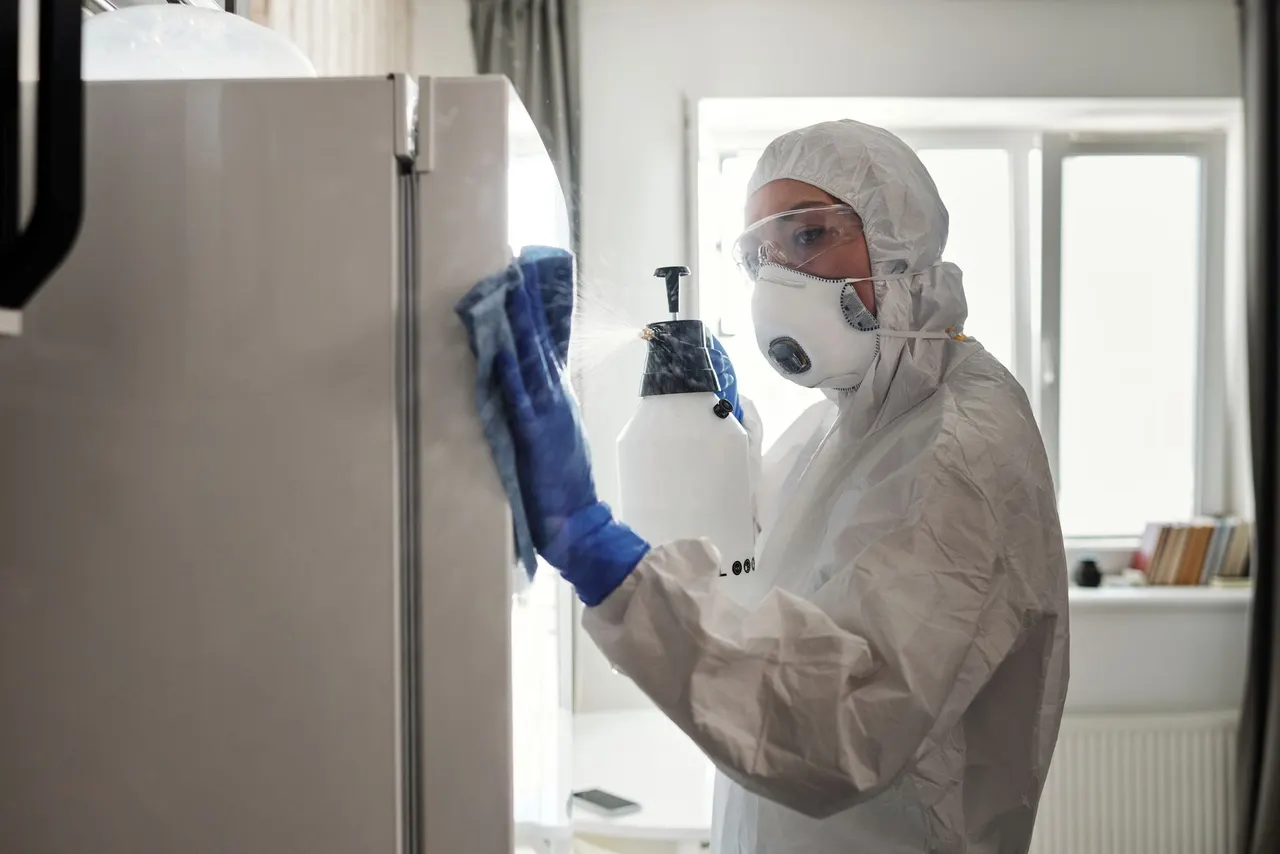
We organize the affected zone to reduce unnecessary foot traffic and protect dry areas. Equipment and work routes are planned around staff, customers, and tenant access. When water quality or site conditions require additional precautions, we adapt the work area and explain the restrictions.
Where this service fits
When Should a Business Call for Water Extraction?
A frozen pipe splits overnight in a Marietta office and floods the corridor before staff arrive.
We assess the corridor, confirm the water source is shut off, and remove standing water from flooring and nearby rooms. Our team checks wall edges and door thresholds for migration, then places drying equipment where readings show moisture. We keep the route organized so building management can plan access. The water is removed and affected areas are identified. Management has a measured drying plan and clearer information for deciding which rooms can return to service.
A restaurant dishwasher supply line leaks beneath the kitchen floor during a busy service period.
We coordinate safe access with the operator, isolate the wet work zone, and extract water after the supply is controlled. We check nearby thresholds and floor edges, then position equipment without blocking essential kitchen routes when possible. A plumbing repair addresses the failed connection. The operator can see which areas need to stay clear and what drying remains. The cleanup plan is organized around food-service access and the next operating period.
Stormwater enters a Sandy Plains retail suite through the doorway and reaches boxed inventory.
We remove pooled water from the entrance and sales floor, separate affected stock from dry merchandise, and check adjacent rooms for spread. If water is contaminated, we adjust handling to the source. Moisture readings guide equipment placement after the entry point is controlled. The wet boundary is documented, salvageable contents are kept separate, and the owner has a practical path for drying and arranging any needed repairs.
A water heater tank leaks in a Marietta apartment common room below occupied units.
We extract water from the common room and inspect accessible wall and floor edges for moisture. We coordinate with property management to keep residents away from the work zone and identify any affected unit boundaries. A plumbing professional repairs the tank or connection while drying proceeds. Management receives a clear record of affected areas and drying progress, helping residents and maintenance staff understand which spaces remain restricted.
Local execution
How Commercial Water Extraction Works in Marietta
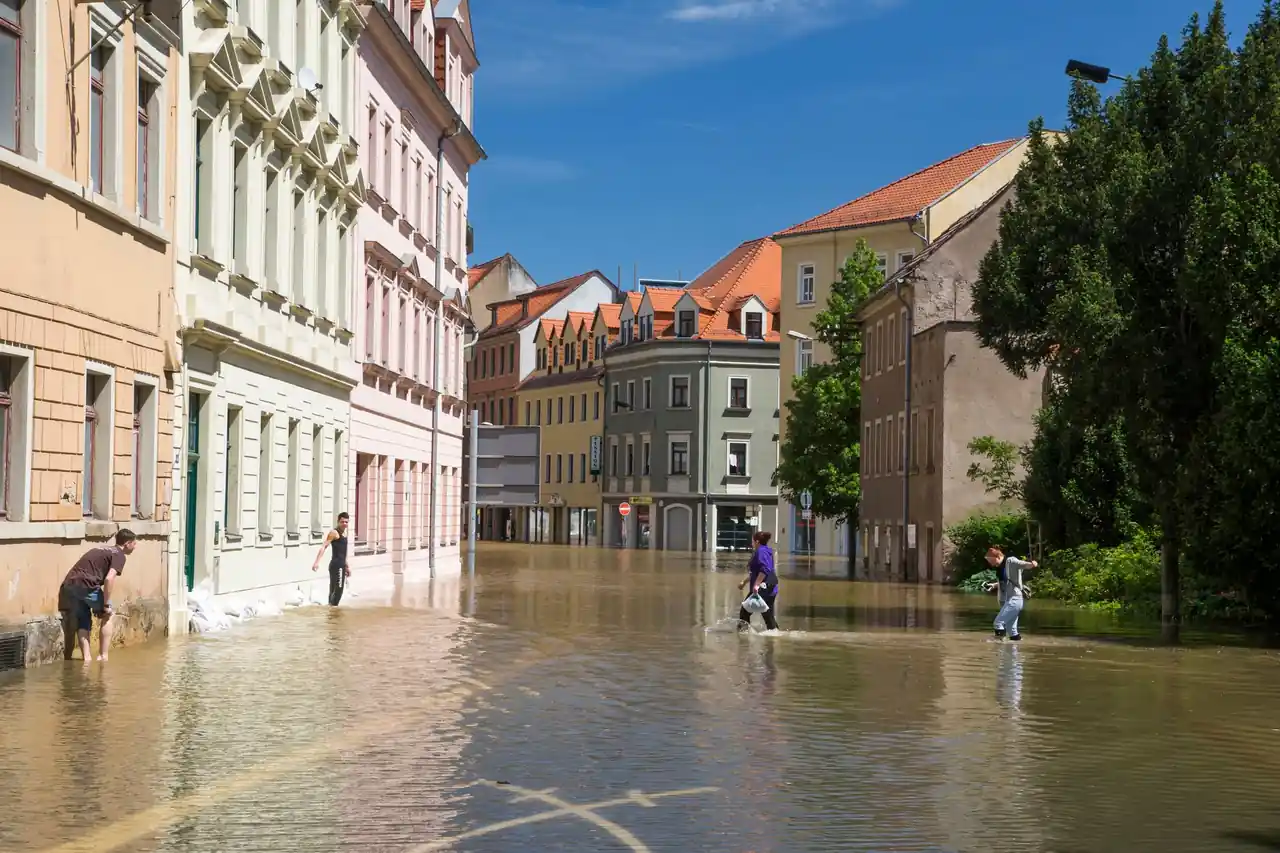
Commercial water extraction in Marietta has to account for occupied buildings, seasonal storms, and varied property layouts across Cobb County. In November and through winter, a failed or exposed line can flood a utility room before staff arrive; spring storms can drive water through roof openings and low entrances. Offices and retail suites often share corridors, ceilings, or plumbing runs, so we check beyond the room where the puddle first appeared. For emergency commercial water damage restoration in Marietta, Georgia, we prioritize source control, safe access, and a documented wet boundary. We use extraction equipment suited to the building, then take moisture readings to guide drying. Marietta businesses in 30064 and 30008 receive the same practical approach: protect unaffected areas, keep essential routes clear where conditions allow, and communicate what remains wet. We do not treat a dry-looking surface as proof that the structure is dry.
East Cobb
Office and retail properties with shared entrances benefit from early boundary checks so a leak does not travel unnoticed into adjoining suites.
Fair Oaks
For occupied commercial spaces, we plan equipment placement around customer routes and staff access while checking corridors for water migration.
Sandy Plains
Stormwater at storefront thresholds can reach stock and flooring quickly; we focus on removing pooled water and checking the adjacent interior edge.
Westoak
Property managers can use moisture readings and room-by-room notes to coordinate drying across shared spaces and tenant areas.
Seasonal downpours push water through roof or entry openings
Water can spread across sales floors and corridors before the storm passes. We remove pooled water, check nearby rooms, and identify whether the entry point remains active so drying is not undermined by continued intrusion.
Shared walls and corridors connect commercial suites
A leak in one unit can affect neighboring flooring or shared areas. We check thresholds and accessible boundaries, then coordinate the work zone with management to limit unnecessary traffic through wet materials.
Hidden leaks caught before the business opens
Staff may arrive to wet carpet, a ceiling stain, or a shutoff problem with little warning. We prioritize safe entry, source control, and essential routes, then explain what must remain restricted while extraction and drying continue.
A practical standard for every visit.
Clear planningPrepared arrivalsCareful workLocal follow-through
Experience in the details
What Should a Business Do After Water Damage?
Commercial water extraction in Marietta demands a plan that fits the building, not a one-size equipment drop. Our local experience covers occupied businesses, shared walls, storage areas, and incidents where access and customer flow matter. Technicians use moisture readings to guide extraction and drying, and follow the ANSI/IICRC S500 Standard as a reference for water damage restoration practice. We communicate with owners and property managers about the affected zone, equipment, and measurable progress. The priority is to remove water carefully, preserve what can be dried, and identify when a repair trade is needed.
- We use IICRC WRT training principles to assess water-affected materials and select a practical extraction and drying sequence.
- Moisture readings are compared at repeatable points, so you can see whether a wall, floor, or carpet assembly is drying.
- Our team works around tenant access, customer entrances, inventory, and the operating hours of Marietta businesses.
- We distinguish clean supply-line water from sewage backup or stormwater, which changes handling and protective measures.
- Equipment placement is documented and adjusted as readings change rather than left unattended without a progress check.
Where we work
One Local Marietta Water Cleanup Team
Commercial water extraction cost in Marietta depends on how much water came in, the affected square footage, the materials involved, and how much drying the space needs. A small accessible room and water across multiple suites are very different jobs, so the cost tracks the scope, not a flat fee. We assess the site and explain what the work covers before it starts.
Smart Water Extraction Marietta handles commercial water damage restoration Marietta businesses need after leaks, overflows, sprinkler releases, and flooding. Call 03127734483 and tell us the property address, water source, and which rooms are affected. We will prioritize safe access and stopping the source, then assess extraction needs. For sewage or stormwater, keep staff out of the area while we determine the appropriate handling steps.
Move people away from standing water, avoid wet electrical areas, and shut off the water source only if it is safe to do so. Call for commercial water extraction in Marietta, then protect dry inventory by moving it out of the affected zone. Do not use ordinary vacuums on standing water. Photograph visible damage for your records and keep staff clear until the floor and electrical conditions have been assessed.
Bulk extraction often takes 2 to 8 hours, while structural drying commonly takes 3 to 5 days. A single room with accessible carpet is faster than multiple suites, water under flooring, or soaked wall cavities. Our team checks moisture readings and adjusts equipment during drying; the job is not finished simply because the surface feels dry. We explain the expected sequence after inspecting your building.
Keep exploring
Related water cleanup services
Your next step is waiting
Call for Commercial Water Extraction in Marietta, GA
Standing water threatens flooring, inventory, and daily operations. Our team will help you prioritize source control, safe access, and extraction. Call 03127734483 now for emergency service.
Start with the basics
Contact Our Marietta Water Cleanup Team
Call Smart Water Extraction Marietta at 03127734483 for help with a leak, overflow, or flood cleanup. Tell us your neighborhood, the affected rooms, and whether water is still coming in. Our line is available for water-loss calls, and we will discuss the practical next step with you. We serve Marietta, Georgia, including ZIP codes 30060, 30062, and 30067.